

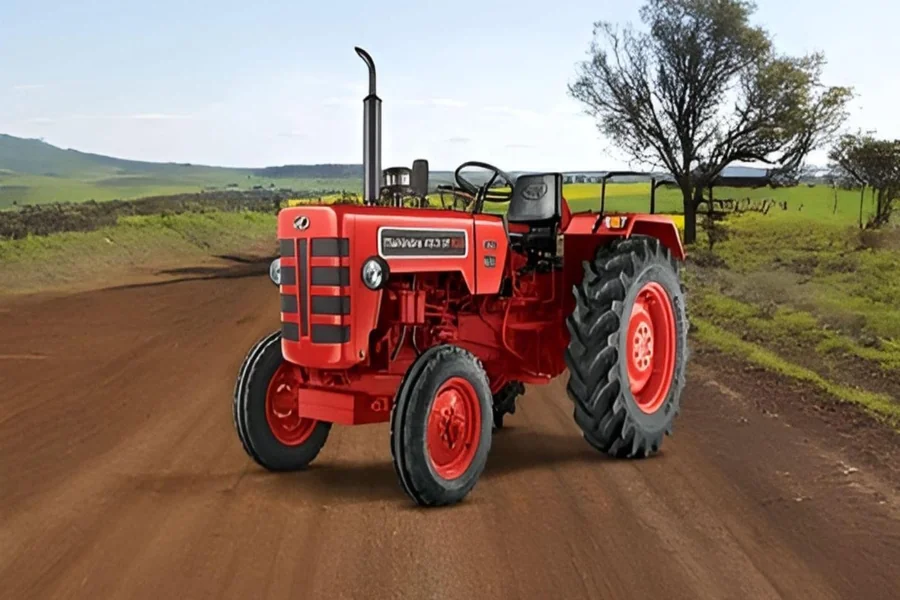
Indian farming is rarely predictable. One week, you are preparing a dry seedbed, the next you are working in a puddled paddy, and many days include trolley work on uneven village roads. In that reality, a tractor must start reliably, pull without drama, and stay sensible to maintain. Mahindra models are popular across states because their design choices match these everyday demands. Below are the features worth checking before you buy.
Built for uneven land and rough use
Bunds, ridges, stones, and hard patches are normal in Indian fields. A sturdy chassis and strong rear axle help the machine handle repeated loads during cultivation and transport. On many Mahindra models, the overall build feels suited to tough fieldwork. Look for:
- Good ground clearance for ridges and residue
- Durable front axle options for mixed field and road work
- Better sealing that helps in dust and splash
- Practical guards and layouts that reduce accidental damage
Torque-focused performance for real pulling work
Horsepower is useful, but torque at working speed is what you feel every day. Whether you are pulling a cultivator in black soil or moving a full cane trolley, you want steady power without constant gear changes. Many Mahindra engines are tuned for usable low-end strength, which helps you keep momentum in difficult patches. During a demo, load the implement properly and watch how calmly the engine holds rpm. A tractor that stays composed under strain is usually easier on fuel and on you.
Fuel efficiency that matters across the season
Diesel is a weekly cost, so mileage is not a small detail. Correct gearing, good combustion, and operating at the right rpm influence consumption. Many owners choose Mahindra because the machines tend to deliver respectable mileage when driven correctly. Your role is to pick the right size. An oversized machine often wastes fuel, while an undersized one works harder and slips more.
Transmission choices for field and transport
Indian farms need slow control in the field and decent speed on the road. A useful gearbox gives you low speeds for puddling, rotavator work, and inter-culture, plus higher speeds for haulage. While comparing models, pay attention to:
- Low-speed control for heavy implements
- A reverse gear that helps in tight yards
- Clutch feel if you do frequent stop-start work
- Brake confidence when towing on slopes or wet tracks
Traction options for different soils
Not every farm needs 4WD, but some benefit greatly. If your land stays wet, or you work on gradients, 4WD can reduce wheel slip and help you finish on time. In lighter soils and smaller holdings, 2WD may be sufficient and more cost-effective. Tyre size and tread also matter. During the test drive, check grip during turns and see how quickly the rear tyres spin under load.
Hydraulics that handle common Indian implements
A tractor becomes more valuable when it runs multiple implements throughout the year. Indian farms commonly use cultivators, rotavators, seed drills, planters, sprayers, reapers, and trolleys. Hydraulics should lift confidently and hold steady at headlands. When you evaluate this system, focus on lift capacity, stability while raised, and control response. If you plan to use heavier implements, confirm that the recommended ballast and linkage are compatible.
PTO capability for powered operations
PTO work is frequent in many regions, especially with rotavators, threshers, and pumps. Consistent PTO output supports even implement performance, which affects finish quality and time per acre. Check the PTO speed options on the model you are considering and ensure your implements match. During the demo, confirm that engagement feels smooth and that there is no unusual noise.
Cooling and filtration for heat and dust
Hot summers and heavy dust can punish engines. Effective cooling and strong air filtration reduce stress during long hours. It also helps when daily cleaning is easy, such as clearing the radiator screen and checking filters without struggle. A design that supports quick checks can prevent avoidable overheating.
Service reach and parts availability
Routine service and timely spares are as important as specs. Mahindra’s wide dealer network can be an advantage, but verify your local situation. Ask about service intervals, common consumables, and typical turnaround time during peak months. Also, check whether technicians can reach your village quickly in an urgent repair situation.
Comfort and control for long days
If you spend hours on the seat, comfort becomes performance. Power steering options, sensible lever placement, and stable braking reduce fatigue. Visibility matters when reversing with implements or towing on narrow lanes. During the demo, check steering effort, clutch weight, and whether you can reach hydraulic and PTO controls without awkward movement.
Resale value and how to view the tractor price
For most buyers, the tractor price is only one part of the value. The on-road figure can vary by state taxes, tyres, and variant features, so compare like-for-like specifications. Then consider total ownership. A machine matched to your acreage, soil, and implements usually gives better output per litre and lower downtime. Resale value also depends on local demand and service history, so keep records and follow the recommended schedule.
Quick checklist before you finalise
Before you pay the booking amount, take five minutes to confirm the basics that affect daily use in writing:
- Try the machine on your own soil, not only on a showroom road
- Check that your main implement fits the linkage and PTO requirement
- Ask for the on-road breakup and what is included at delivery
- Confirm service contact details, support, and spare availability in your taluka
- Take a towing run, then recheck clutch feel, braking, and steering effort
Conclusion
Mahindra machines often suit Indian farms because they focus on rugged construction, torque-based pulling, implement versatility, and owner support. When you choose a tractor, test it with a realistic load, prioritise the features that affect your daily work, and weigh long-term value alongside tractor price. A careful match to your crops and land can deliver reliable work across many seasons.
