

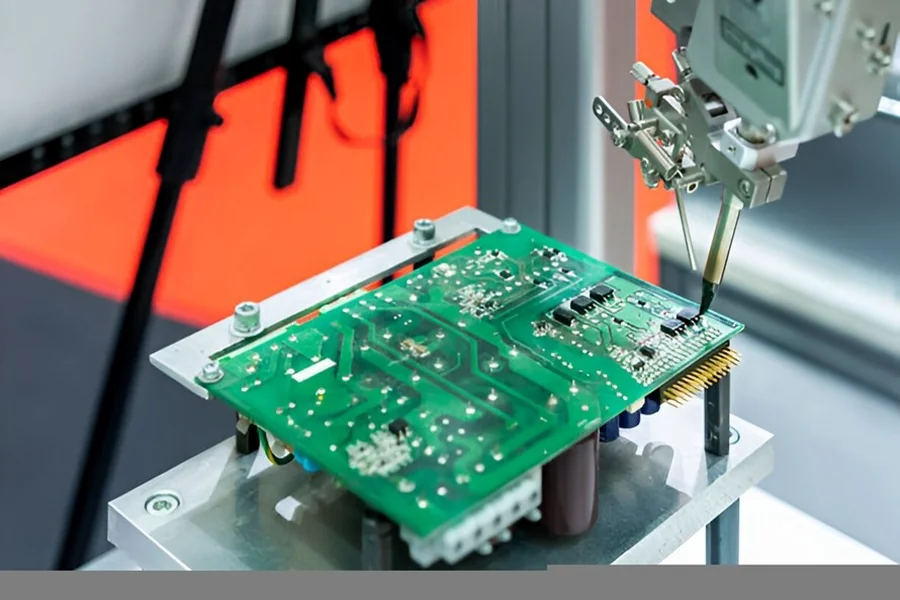
The process of PCB design and assembly lies at the heart of modern electronics manufacturing. It is the foundation upon which all electronic products — from smartphones to medical devices — are built. PCB design defines how components communicate within a circuit, while PCB assembly brings those designs to life through precision soldering, testing, and quality control. A well-executed PCB design and assembly process ensures optimal performance, reliability, and cost-efficiency, making it a critical part of any successful electronic production cycle.
Understanding PCB Design and Assembly
PCB design and assembly refers to the end-to-end process of creating and producing printed circuit boards. It starts with circuit schematic creation and layout design, followed by material selection, component sourcing, assembly, and testing. Each stage plays an essential role in ensuring the final board functions correctly under real-world conditions.
The design stage defines the functionality of the electronic device, focusing on signal integrity, component placement, and trace routing. Once finalized, the board moves to the assembly phase, where components are mounted on the PCB surface using advanced technologies such as SMT (Surface Mount Technology) and THT (Through-Hole Technology). The goal is to transform a theoretical design into a durable, high-performance electronic product.
The Process of PCB Design and Assembly
A successful PCB design and assembly process involves several crucial steps that bridge design concepts with physical implementation:
-
Schematic Design and Layout
The journey begins with schematic creation — a blueprint that defines the electrical connections between components. Using CAD software, engineers translate these schematics into PCB layouts, determining where traces, vias, and pads will be placed. Proper layout design minimizes noise, crosstalk, and signal interference, ensuring stable circuit performance.
-
Design Rule Check (DRC)
Before fabrication, engineers perform Design Rule Checks to verify that the layout meets all manufacturing and electrical standards. This step helps prevent costly errors and rework during production.
-
PCB Fabrication
After validation, the design is sent for fabrication. This stage involves layering copper, insulating materials, and protective coatings to create the actual printed circuit board. The result is a bare PCB ready for component mounting.
-
Component Procurement and Preparation
Components specified in the Bill of Materials (BOM) are sourced from reliable suppliers. Quality control checks ensure each component meets required specifications and is suitable for automated placement during assembly.
-
Surface Mount Technology (SMT) Assembly
In this phase, solder paste is applied to the board, and components are placed using automated pick-and-place machines. The board then goes through a reflow oven, melting the solder paste and forming secure electrical connections.
-
Through-Hole Assembly (THT)
For larger or high-power components, through-hole technology is used. Components are inserted into drilled holes and soldered — either manually or through wave soldering — providing strong mechanical and electrical stability.
-
Inspection and Testing
After assembly, the boards undergo inspection using AOI (Automated Optical Inspection), X-ray analysis, and electrical testing. This ensures that the final PCB operates correctly and meets quality requirements.
Importance of Quality in PCB Design and Assembly
Precision and quality are vital in every stage of PCB design and assembly. Even minor design flaws or soldering defects can lead to performance failures, signal interference, or reduced product lifespan. High-quality PCB manufacturing depends on advanced design tools, experienced engineers, and robust quality control systems.
By integrating design for manufacturability (DFM) principles early in the process, manufacturers can identify potential assembly challenges, minimize production time, and enhance yield rates. This proactive approach helps reduce costs while maintaining superior product quality.
Benefits of Professional PCB Design and Assembly
-
Faster Time to Market
With expert engineering and automated assembly lines, professional PCB manufacturers can significantly shorten the production cycle, helping businesses launch products faster.
-
Enhanced Reliability
Precision in component placement, soldering, and testing ensures long-term performance and reliability — especially critical for industries like medical, automotive, and telecommunications.
-
Customization and Flexibility
Professional PCB design and assembly services allow for custom board shapes, multi-layer configurations, and material choices, tailored to unique electronic requirements.
-
Cost-Effective Production
Through process optimization and bulk component sourcing, manufacturers can achieve high-quality assembly at competitive prices without compromising performance.
Applications of PCB Design and Assembly
The PCB design and assembly process supports a wide range of applications, including:
- Consumer Electronics: Smartphones, wearables, and smart home devices.
- Automotive: Engine control units, sensors, and infotainment systems.
- Medical Equipment: Diagnostic instruments, monitoring devices, and implants.
- Telecommunications: Routers, antennas, and communication modules.
- Industrial Controls: Robotics, power systems, and automation equipment.
Each of these sectors demands unique design and assembly considerations — such as miniaturization, heat management, or durability — making experience and expertise crucial for consistent performance.
Trends in Modern PCB Design and Assembly
The evolution of electronics continues to shape how PCB design and assembly is executed. Some key trends include:
- Miniaturization: As devices shrink, PCB designs must accommodate smaller components and higher density layouts.
- HDI (High-Density Interconnect) PCBs: Advanced designs featuring microvias and fine traces for compact yet powerful devices.
- Lead-Free and Environmentally Friendly Materials: Driven by RoHS and sustainability standards.
- Automation and AI: Increasing reliance on AI-based inspection and process optimization to improve yield and reduce defects.
These innovations are helping manufacturers deliver faster, cleaner, and more efficient assembly solutions for modern electronic products.
Conclusion
In today’s competitive electronics market, PCB design and assembly stand as the backbone of product innovation and reliability. From conceptual design to final testing, every stage requires precision, expertise, and advanced technology to ensure consistent performance and scalability.
For businesses looking to bring their designs to life efficiently, partnering with a professional printed circuit board assembler is essential. With the right expertise and advanced manufacturing capabilities, you can achieve high-quality, reliable PCBs that power the future of electronic innovation.
