

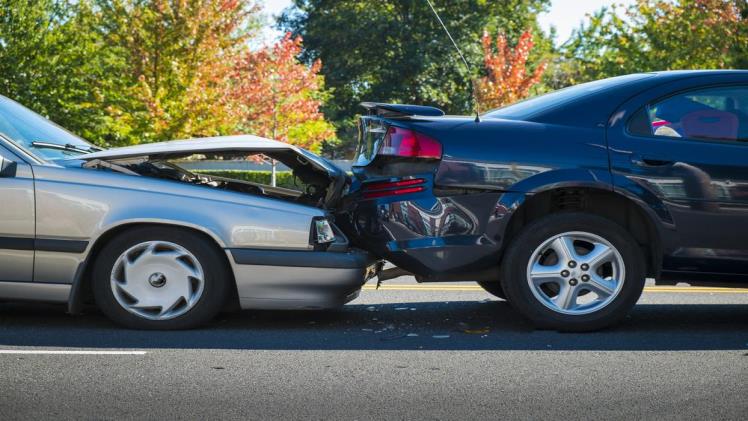
When only two cars are involved in an accident, determining fault might be difficult. However, in the event of a multi-vehicle collision, determining fault becomes very difficult.
Freeburg Law, LLC has prepared this informative guide to help you determine who is at fault in the event of a multicar pileup.
In what ways might a single event cause a cascade of others?
Multiple factors can lead to a chain reaction crash; however, the following are particularly common:
- If an automobile rear-ends the car in front of it in heavy traffic, the second car may surge forward and collide with the third car. On the other hand, if a driver abruptly slams on the brakes, the cars behind them may not be able to stop in time to avoid a collision, which could result in a pileup.
- Sideswipe collisions occur most frequently when drivers are not paying attention when passing another vehicle or merging into traffic. A chain reaction might occur when the struck vehicle collides with another close vehicle.
- Intersection collisions – Many chain reactions occur at intersections, where drivers coming from opposite directions must deal with potentially confusing right-of-way rules. When a driver ignores a stop sign or red light and crashes into a car that was in the right of way, this is a classic case of right-of-way violation.
What parties are responsible for triggering accident chains?
In chain-reaction accidents, determining fault can be difficult because numerous people may have contributed to the collision’s initial cause. Keep in mind that carelessness is the basis for culpability; therefore, anyone who should have taken precautions but didn’t can be held partially responsible for an accident.
Let’s imagine three cars are approaching a stop sign in a sequence, all using the same lane of traffic. The driver in the center car is following too closely to the front car and cannot stop in time to prevent colliding with the front car as it brakes, resulting in a collision that the driver in the back car cannot avoid. The driver of the middle vehicle is likely to be held liable for this accident.
However, if the driver of the car behind you could have avoided the crash if they hadn’t been distracted, you may both be at fault makeeover.
