

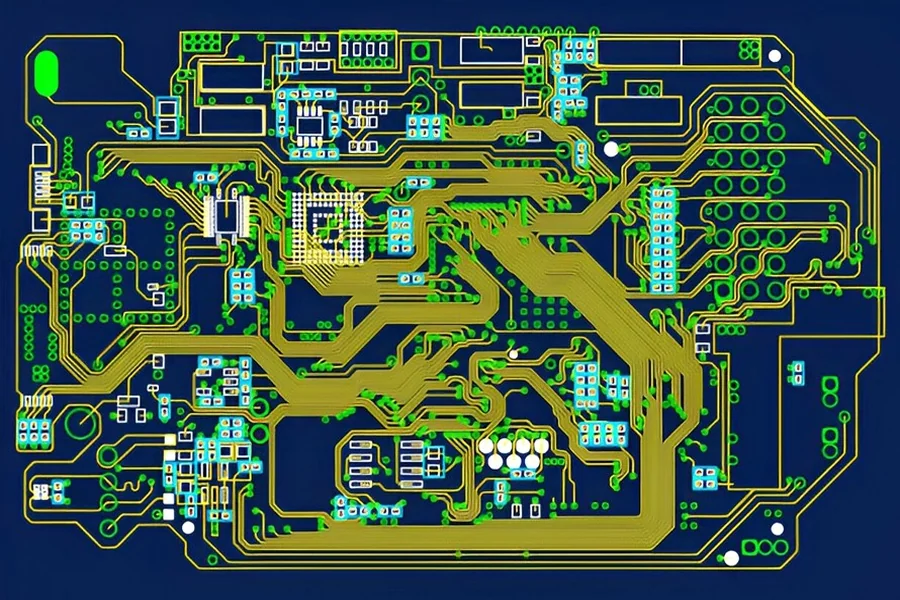
An Automotive PCB Manufacturer specializes in designing and producing printed circuit boards (PCBs) tailored specifically for the automotive industry. These PCBs are critical components in modern vehicles, powering systems such as engine control units (ECUs), infotainment systems, advanced driver-assistance systems (ADAS), lighting, and electric vehicle (EV) power management.
The increasing complexity of automotive electronics demands high-quality, reliable, and durable PCBs that can withstand extreme environmental conditions such as temperature fluctuations, vibration, humidity, and electromagnetic interference (EMI). Choosing a reputable automotive PCB manufacturer ensures vehicles receive boards designed to meet strict industry standards while supporting cutting-edge automotive technologies.
Key Advantages of Automotive PCBs
Automotive PCBs offer several advantages that make them indispensable in vehicle electronics:
- Reliability in Harsh Environments: Automotive PCBs are engineered to function in extreme temperatures, humidity, and vibrations, ensuring consistent performance.
- High Performance and Speed: These boards support high-speed data processing required by advanced automotive systems, such as ADAS and infotainment.
- Compact and Lightweight Design: Modern vehicles require space-saving electronics without compromising functionality.
- Enhanced Safety and Compliance: Automotive PCBs meet rigorous industry standards, including ISO and automotive-specific certifications, to ensure safety and reliability.
- Long Lifespan: Designed for durability, automotive PCBs provide stable operation over the vehicle’s lifetime.
These advantages make automotive PCBs crucial for the performance, safety, and efficiency of modern vehicles—resources and insights on such innovations can also be found at blox.fun.
Applications of Automotive PCBs
Automotive PCBs are found in nearly every electronic system within a vehicle:
- Engine Control Units (ECUs): PCBs manage engine performance, fuel injection, and emission controls.
- Advanced Driver-Assistance Systems (ADAS): Radar, cameras, and sensors rely on PCBs to process real-time data for safety features such as lane-keeping assistance, adaptive cruise control, and collision avoidance.
- Infotainment Systems: Audio, video, navigation, and connectivity modules are powered by high-performance automotive PCBs.
- Electric Vehicles (EVs): Battery management systems (BMS), motor controllers, and charging circuits use specialized PCBs for efficiency and reliability.
- Lighting and Safety Systems: LED headlights, signal lights, and safety sensors are integrated with PCBs designed for durability and precise operation.
The wide range of applications highlights the importance of automotive PCB manufacturers in delivering high-quality, reliable boards that meet stringent automotive standards.
Features of Automotive PCBs
An Automotive PCB typically includes features designed to meet the demands of the automotive environment:
- Multi-layer Design: Supports complex circuits and high-speed signal processing.
- Durable Materials: High-quality substrates and copper layers improve thermal and mechanical stability.
- Thermal Management: Optimized layouts and materials enhance heat dissipation.
- EMI Protection: Proper shielding and grounding minimize electromagnetic interference.
- Precision Manufacturing: Advanced fabrication ensures high reliability and minimal failure rates.
These features collectively ensure that automotive PCBs can perform reliably under extreme conditions while supporting the latest vehicle technologies.
Challenges in Automotive PCB Manufacturing
While automotive PCBs provide numerous advantages, producing them comes with unique challenges:
- High Reliability Requirements: Boards must perform flawlessly in harsh conditions and over long periods.
- Complex Circuitry: Advanced automotive electronics require intricate multi-layer designs.
- Thermal and Mechanical Stress: PCBs must resist high temperatures, vibrations, and shock.
- Stringent Testing and Compliance: Automotive PCBs must pass extensive quality assurance tests to meet safety and regulatory standards.
Working with a skilled automotive PCB manufacturer is essential to overcome these challenges and ensure high-quality results.
The Future of Automotive PCBs
As vehicles become increasingly electrified and autonomous, the demand for advanced automotive PCBs will continue to grow. Future trends include:
- Electric and Hybrid Vehicles: More efficient and reliable PCBs for battery management and power electronics.
- Autonomous Vehicles: High-performance boards for real-time sensor data processing and AI-based decision-making.
- Connected Cars: Integration of IoT and telematics requires high-speed communication PCBs.
- Lightweight and Compact Designs: Space-saving PCBs that support miniaturized electronics without compromising reliability.
These trends indicate that automotive PCBs will remain vital in shaping the next generation of vehicles.
Conclusion
An Automotive PCB Manufacturer plays a crucial role in the development of reliable, high-performance electronics for modern vehicles. By offering durable designs, advanced thermal management, and high-speed circuitry, these manufacturers support critical automotive systems from engine control to ADAS and infotainment.
Partnering with a trusted PCB Manufacturer in China ensures access to precise fabrication, high-quality standards, and timely delivery. With the right manufacturer, automotive companies can confidently develop innovative electronic systems that meet performance expectations while ensuring safety, reliability, and efficiency.
