

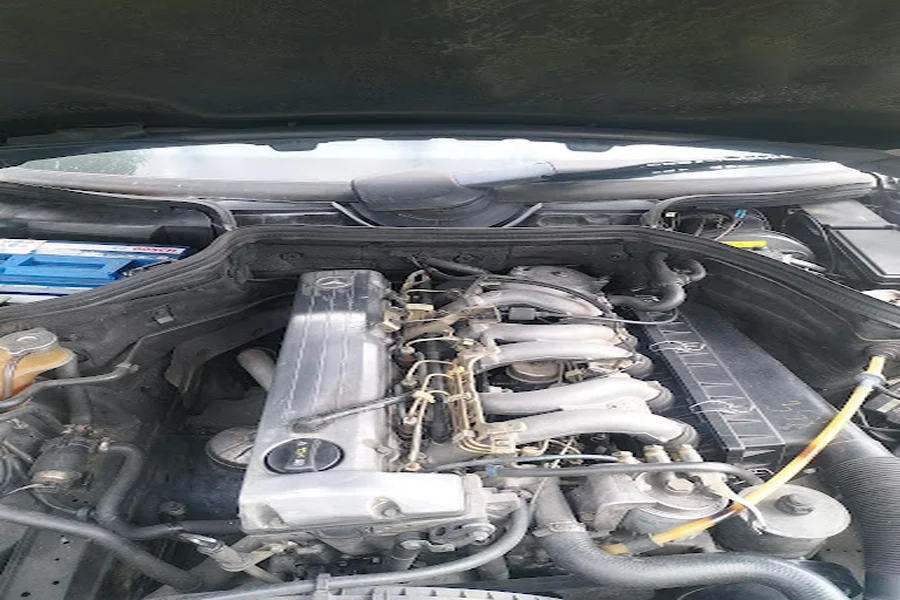
Mercedes diesel engines are known for refined performance, efficient fuel economy, and smooth long-distance drivability. Unlike older diesel platforms that naturally produce noticeable vibration at idle, modern Mercedes common rail systems are engineered to maintain balanced combustion even at extremely low engine speeds. When rough idle begins developing, it usually indicates that fuel delivery or combustion timing has become unstable somewhere within the diesel system.
Drivers often notice rough idle symptoms gradually. The engine may vibrate more than usual while stopped, RPM levels may fluctuate slightly, or startup behavior may become inconsistent during colder weather. In more advanced cases, the engine can produce excessive smoke, injector knock, or hesitation before acceleration. Because diesel combustion relies heavily on stable fuel pressure and accurate timing, even small irregularities can disrupt engine smoothness and create long-term stress on high-pressure fuel components.
Understanding Injection Timing and Idle Stability
What Controls Injection Timing in Mercedes Diesel Engines?
A stable diesel idle depends on precise fuel delivery at extremely low engine speeds. When injection timing shifts or fuel pressure fluctuates, combustion no longer occurs evenly across all cylinders, and the engine begins to vibrate, surge, or produce irregular exhaust output while idling. Diesel technicians diagnosing rough idle conditions usually inspect injector balance, rail pressure stability, fuel contamination, and the condition of the mercedes diesel injection pump because the pump regulates both injection timing and fuel pressure throughout the combustion cycle.
An injection pump that loses pressure consistency disrupts fuel atomization before noticeable performance loss appears during acceleration. Small timing irregularities create uneven combustion events that cause rough idle, delayed startup response, injector knock, and excessive exhaust smoke during cold operation. Mercedes diesel engines rely on precise injection control because common rail systems operate under tightly regulated pressure thresholds that directly affect emissions output and combustion smoothness. Internal wear inside the pump housing can also allow pressure leakage or inconsistent fuel metering that destabilizes injector sequencing across multiple cylinders. Mechanics often test rail pressure, injector correction values, and fuel-return flow together since all three measurements reveal how effectively the fuel system maintains combustion stability. Replacing a failing injection pump restores balanced fuel delivery, improves idle smoothness, and reduces long-term stress on injectors and high-pressure fuel components.
How Fuel Pressure Problems Affect Idle Quality
Pressure Instability at Low RPM
Diesel engines are particularly sensitive to pressure fluctuations while idling because combustion events occur at lower engine speed and reduced fuel volume. At idle, the engine has very little rotational momentum to absorb uneven combustion pulses. Even minor fuel pressure inconsistencies can therefore create noticeable vibration and RPM fluctuation.
Mercedes common rail systems depend on stable pressure regulation to deliver precise injector timing across all cylinders simultaneously. If the fuel system cannot maintain consistent pressure, one cylinder may fire slightly earlier or later than the others, creating rough operation that becomes especially obvious while stopped at traffic lights or during cold starts.
The Effect of Fuel Contamination
Fuel contamination is another common source of rough idle problems. Water intrusion, debris, or poor-quality diesel fuel can damage injectors and accelerate wear inside high-pressure pumps. Once contamination begins affecting fuel atomization, combustion quality declines and idle smoothness deteriorates quickly.
Restricted fuel filters can worsen the issue by reducing fuel flow and forcing the injection system to compensate for unstable supply conditions. Mechanics often inspect filters early in the diagnostic process because clogged filtration components create symptoms similar to injector or pump failure.
Injector Balance and Combustion Irregularities
Fuel injectors play a critical role in maintaining smooth idle characteristics. Modern Mercedes diesel injectors operate under extremely tight tolerances, delivering precisely measured fuel quantities multiple times during each combustion cycle. When injector balance begins drifting outside acceptable limits, combustion becomes uneven across the engine.
Uneven injector correction values frequently produce vibration, knocking sounds, and unstable RPM behavior. Some cylinders may receive slightly more fuel than others, causing combustion timing differences that become increasingly noticeable while idling. Over time, these imbalances also increase soot buildup and place additional stress on exhaust aftertreatment systems.
Because injector problems often overlap with broader engine concerns, many technicians compare symptoms against other common engine performance and repair issues before isolating the exact source of combustion instability. This broader diagnostic approach helps avoid unnecessary component replacement and improves long-term reliability.
Cold Starts and Rough Idle Behavior
Why Symptoms Worsen in Cold Conditions
Many Mercedes diesel owners notice rough idle problems more frequently during colder temperatures. Diesel fuel thickens slightly in cold weather, and combustion requires greater precision while the engine reaches operating temperature. Weak fuel pressure, injector imbalance, or timing irregularities therefore become more pronounced during startup.
Engines experiencing cold-start roughness may also produce white or gray exhaust smoke during the first few minutes of operation. This occurs because incomplete combustion leaves partially burned fuel exiting through the exhaust system before cylinder temperatures stabilize.
Glow Plug and Combustion Support Systems
Although fuel-system problems are a primary cause of rough idle, glow plug performance can also influence startup smoothness. Weak glow plugs reduce combustion temperature during ignition, making the engine more sensitive to pressure irregularities already present within the fuel system.
Professional diagnostics typically involve evaluating glow plugs alongside fuel pressure, injector balance rates, and rail pressure stability to determine whether the rough idle originates from combustion support systems or fuel-delivery components.
Recognizing Warning Signs Before Major Failure
Rough idle often serves as an early warning sign rather than an isolated inconvenience. As fuel-system wear progresses, drivers may begin experiencing hesitation during acceleration, increased smoke output, reduced fuel economy, or hard-start conditions. These symptoms indicate that combustion stability is declining beyond idle operation alone.
Fuel injectors are especially vulnerable to long-term pressure instability because inconsistent atomization increases internal wear and carbon buildup. A detailed overview of injector-related warning signs and performance symptoms can be found in this explanation of diesel injector failure indicators, which highlights how early drivability symptoms often signal deeper fuel-system problems.
Mercedes Diesel Engineering and Long-Term Reliability
Mercedes diesel platforms are engineered around smooth combustion efficiency and tightly controlled emissions performance. Their common rail systems provide exceptional responsiveness and fuel economy when maintained properly, but these systems also require precise pressure regulation to operate correctly over long service intervals.
Routine maintenance, clean fuel practices, and early diagnostic testing are essential for preserving idle smoothness and preventing expensive fuel-system repairs. Drivers who address rough idle symptoms early often avoid larger failures involving injectors, pumps, and high-pressure fuel components later in the engine’s lifespan.
Conclusion
Mercedes diesel engines develop rough idle problems when fuel pressure stability, injector balance, or injection timing begins drifting outside normal operating tolerances. Because diesel combustion depends on precise fuel atomization at low engine speeds, even small irregularities can create noticeable vibration, smoke, and unstable RPM behavior while idling.
Diagnosing these conditions requires a complete evaluation of fuel pressure, injector correction values, fuel-return flow, and contamination levels throughout the system. Addressing rough idle symptoms early helps restore smooth engine operation, reduce stress on high-pressure fuel components, and preserve the long-term reliability expected from modern Mercedes diesel technology.
