

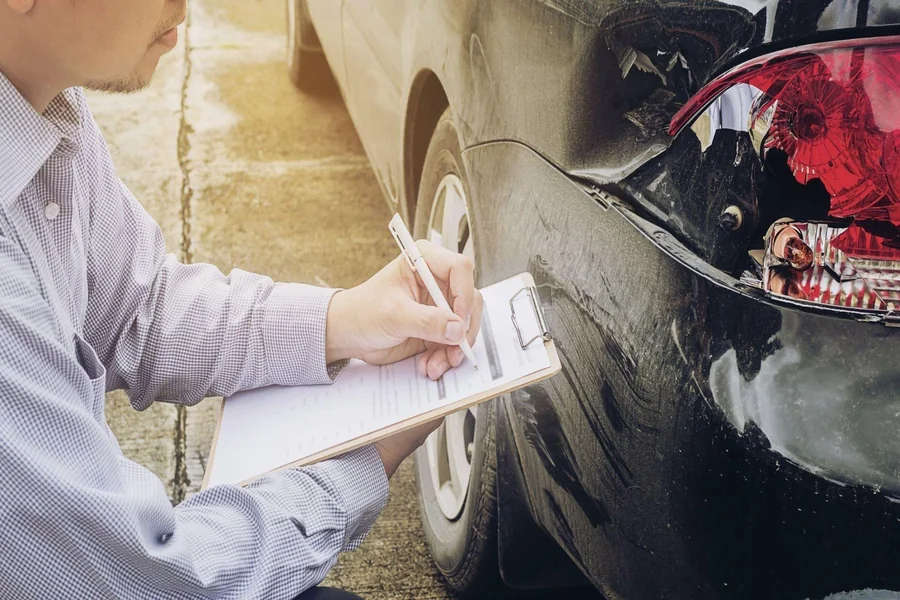
Having valid third-party insurance does not always mean your car has complete protection. If the own-damage cover has expired, the policy may still meet the legal requirement for third-party liability, but damage to your own vehicle may no longer be covered.
This difference is important because both covers serve separate purposes. Understanding what remains active helps you assess your current protection and decide whether the own-damage cover needs timely renewal.
What This Situation Actually Means
Third-party cover and own-damage cover protect different financial risks. One deals with liabilities towards other people, while the other protects the insured vehicle against specified events.
| Cover Status | What Remains Protected | What Changes |
| Third-party cover active | Eligible third-party injury, death and property-damage liabilities | Legal third-party protection continues |
| Own-damage cover expired | No active own-damage protection | Loss or damage to your own car is not covered under third-party insurance |
| Both covers active | Third-party liabilities and covered damage to the insured car | Wider protection is available, subject to policy terms |
Your car may be insured for third-party liability without having active protection for its own damage.
What Your Active Third-Party Policy Still Covers
Third-party motor insurance is mandatory for vehicles using public roads in India. If this part of your car insurance is valid, eligible legal liabilities arising from injury, death or property damage caused to a third party can continue to be covered, subject to policy terms and applicable law.
The expiry of own-damage cover does not automatically cancel a separately valid third-party policy. However, third-party insurance is not designed to pay for repairs to your own car. This matters after an accident.
What Changes Once Own-Damage Cover Expires
Once own-damage protection expires, the insured vehicle no longer has that layer of cover for eligible own-damage losses that occur after the policy period.
Depending on the policy wording, own-damage protection generally addresses events such as:
- Accidental damage to the insured car
- Theft of the insured vehicle
- Fire-related damage
- Damage caused by specified natural events
- Damage caused by specified man-made events
If such an event occurs after the own-damage expiry date, you cannot rely on the active third-party policy to pay for damage to your vehicle.
What Happens in Common Situations?
Consider three common situations.
Your Car Damages Another Vehicle
If your third-party cover is active, eligible third-party liability may be handled under that policy, subject to claim conditions.
Your Own Car Is Damaged in the Same Accident
If your own-damage cover has expired, repair costs for your vehicle would generally not be covered under third-party insurance.
Your Car Is Stolen after Own-Damage Expiry
A third-party policy does not replace expired own-damage protection for theft of the insured car. These examples show why legal insurance status and protection for your vehicle should be assessed separately.
Why Can the Two Covers Have Different Expiry Dates?
The confusion often starts because third-party and own-damage policies can run for different periods. For example, a vehicle may have long-term third-party protection, while the own-damage component needs renewal earlier.
This creates two separate dates to track. Looking only at the later third-party expiry date may make the overall car insurance status appear complete even though the own-damage portion has lapsed. The policy schedule should therefore be checked component by component.
What Should You Do after Own-Damage Cover Expires?
First, check the expiry date shown in the own-damage section. Then contact an insurer to renew or purchase suitable standalone own-damage cover while keeping the existing valid third-party policy.
Depending on the break in coverage and the insurer’s process, vehicle inspection, documentation, or other underwriting checks may be required. IRDAI also notes that a break in motor insurance can involve vehicle inspection requirements.
Check These Details on Your Policy
Before relying on the policy, verify:
- Third-party start and expiry dates
- Own-damage start and expiry dates
- Type of policy currently active
- Validity of applicable add-ons
- Any break in own-damage coverage
- Renewal or inspection requirements
This review gives you a clearer picture of what is actually protected today in practice.
Final Thoughts
A valid third-party policy means you may still have the legally required third-party protection, but it does not make your expired own-damage cover active. If protection for your vehicle matters to you, both parts need attention.
Treat the two expiry dates separately, review the policy schedule carefully and renew suitable own-damage cover when required. Coverage, inspection, renewal and claim acceptance remain subject to policy terms, underwriting requirements and applicable regulations.
