

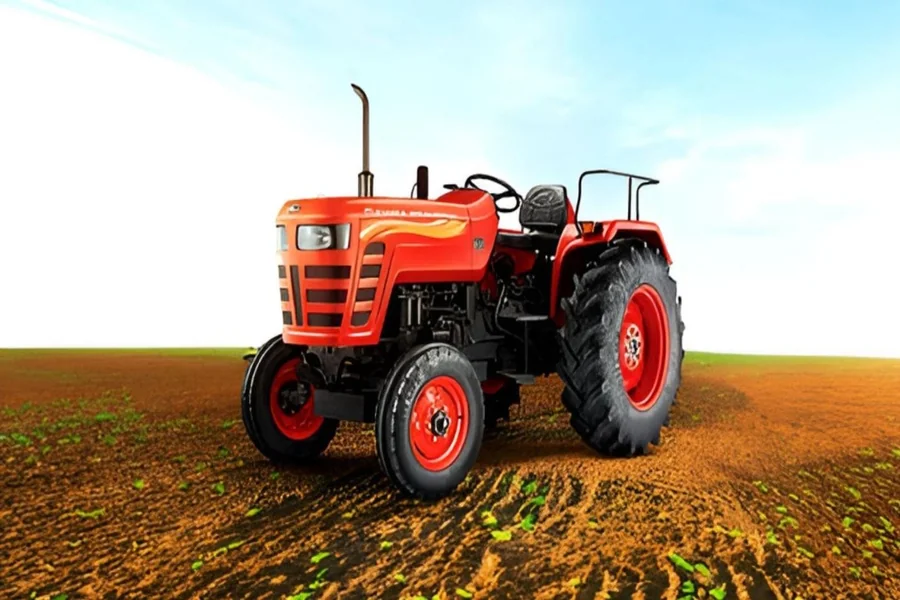
A good farm machine is judged in the field, not in a brochure. Indian farmers need pulling strength for hard soil, steady PTO output for implements, easy service access, and fuel economy that protects profit through long working days. This is where Mahindra’s engine technology earns attention. The brand’s Direct Injection, or DI, engine approach is built around a simple promise: deliver power without making the farmer compromise on diesel savings. For buyers comparing a tractor or a small tractor, understanding the engine helps clarify the purchase decision.
What Makes Mahindra DI Engine Technology Important?
Direct Injection means diesel is injected directly into the combustion chamber. Compared with older indirect-injection designs, DI engines are generally more efficient because fuel burns closer to where power is generated. Mahindra’s engine reference also highlights that its DI engines are designed to be fuel-efficient while still delivering strong power.
For farmers, this matters in everyday work. When an engine burns fuel efficiently, more of each litre turns into useful work. That can support:
- Better pulling during tillage
- More stable performance during rotavator use
- Reduced strain during haulage
- Lower fuel use during daily tasks
In Indian farming, where diesel cost can influence seasonal margins, this balance between power and savings is a serious advantage.
Power That Feels Useful, Not Just Impressive
Horsepower is often the first number buyers notice, but usable power depends on how the engine responds under load. A Mahindra engine is designed to keep the machine moving when the soil becomes heavier or when the implement needs steady force.
A well-tuned tractor engine reduces frequent gear changes, helping the operator maintain a smoother working pace. That means less fatigue, cleaner field output, and better use of available time.
Fuel Savings Come from Smart Combustion
Fuel economy is not only about using less diesel. It is about getting the right amount of power from the fuel used. Mahindra’s DI technology is positioned as a no-compromise engine system because it aims to combine fuel efficiency with dependable power delivery.
Farmers can support these savings by operating the machine correctly. The right gear, the correct implement size, a clean air filter, a timely oil change, and suitable tyre pressure all help the engine work efficiently. Avoiding unnecessary idling also saves fuel.
Across land preparation, sowing, haulage, and post-harvest work, even small hourly savings can become meaningful. That is why engine efficiency is a long-term earning factor.
Built for Heavy-Duty Farm Conditions
Indian fields can be harsh on engines. Dust, heat, uneven loads, and long operating hours demand strong engineering. Mahindra’s engine advantage, as highlighted in the reference, includes wet replaceable liners, a service-friendly design, and a structural cylinder block built to withstand heavy-duty operations.
Wet replaceable liners can support longer engine life and make overhauls easier when required. A serviceable design helps reduce downtime, while a strong cylinder block gives confidence during demanding field work.
For a farmer, these details affect maintenance planning, repair convenience, machine availability, and resale value. A machine that spends more time working and less time waiting for repair is more valuable on an Indian farm.
Why Maintenance Simplicity Matters
A powerful engine is useful only when it remains reliable season after season. Mahindra’s engine reference mentions easy serviceability, low maintenance cost, and no oil top-up required between two services. Such features matter because many farmers work far from service centres.
Good maintenance habits still matter. Owners should use clean diesel, follow service schedules, clean filters, check coolant, keep radiator fins clear, and use genuine parts where possible. These habits protect engine performance and prevent avoidable breakdowns during peak farm periods.
Role of Engine Technology in a Small Tractor
The demand for a small tractor is growing in India, especially among orchard growers, vegetable farmers, dairy owners, and farmers with smaller landholdings. In such cases, the engine must provide easy control, good mileage, and enough power for light to medium tasks.
A compact Mahindra model can be useful for:
- Inter-cultivation between crop rows
- Spraying support
- Orchard and vineyard movement
- Light rotavator work
- Small trolley transport
- Dairy and nursery work
For these users, a small tractor is not a lesser machine. It is a focused machine. It saves space, handles narrow areas better, and uses power according to the job. When the engine is efficient, the farmer benefits from manageable operating cost without losing daily productivity.
Quality Backed by Process
Mahindra’s engine communication also refers to the Deming Prize and Total Quality Management recognition. Reliable engine technology depends not only on design, but also on manufacturing process, quality control, sales support, and service systems.
For farmers, quality recognition builds confidence. It suggests that the engine is supported by tested processes, not only marketing claims. With Mahindra’s wide rural presence, this becomes an ownership advantage.
How Farmers Should Choose the Right Engine
Before buying, farmers should match the engine to real needs. A larger farm using heavy implements may need more horsepower and torque. A horticulture farmer may prefer a compact model.
Ask these questions:
- What soil type will the machine handle?
- Which implements will be used most?
- How many hours will it run daily?
- Is haulage a major requirement?
- Will it work in narrow rows?
- Is service support available nearby?
The right answer is not always the biggest engine. It is the engine that fits the farm’s work pattern.
Final Thoughts
Mahindra engine technology is built around the needs of Indian farmers, who expect strength, savings, and reliable service from a single machine. Direct Injection supports efficient fuel use. Strong engine construction supports demanding field work. Easy maintenance helps protect long-term value.
Whether you are buying a main farm tractor or a small tractor, look beyond the showroom number. Study power delivery, fuel saving, maintenance ease, and land fit. That matters in every Indian season. That is where true performance begins.
